

From Harvest to Hospitality: How Britain's farms are reinventing themselves
For generations, Britain's farms were viewed almost exclusively as places that produced food. Today, many are also welcoming wedding guests, holidaymakers, café customers, festivalgoers and families looking for a day out.
Across the UK, farms are diversifying at a remarkable pace, creating new income streams that extend well beyond traditional agriculture. From glamping pods and holiday cottages to farm shops, pumpkin patches, sunflower trails and seasonal attractions, rural businesses are increasingly becoming destinations in their own right.
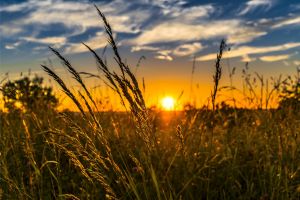 The transformation reflects the changing economics of farming. Faced with rising costs, changing consumer habits and greater financial uncertainty, many farmers are finding innovative ways to make better use of their land, buildings and expertise throughout the year.
A Spokesperson at Everywhen, said:
"The image many people have of farming is still centred on crops and livestock, but the reality is that many farms have evolved into incredibly diverse businesses. It's not unusual to see a working farm operating a café, hosting weddings, welcoming holiday guests or running popular seasonal events alongside food production.
"Diversification has become an important part of building resilience. It allows farms to generate income throughout the year, attract new visitors and make better use of existing assets, all while continuing to do what they do best.
"What we're seeing is a countryside that's becoming more dynamic than ever. Farms are embracing new opportunities that help support the long-term future of rural businesses and the communities around them."
The result is a countryside that looks very different from a generation ago. Visitors who once travelled to farms simply to buy fresh produce are now booking weekend breaks, attending festivals, enjoying outdoor dining experiences or bringing their children to pick pumpkins in autumn and meet newborn lambs in spring.
This evolution is also helping strengthen local economies, supporting employment, encouraging tourism and creating new reasons for people to spend time in rural communities throughout the year rather than during traditional holiday periods alone.
While food production remains at the heart of British agriculture, the modern farm has become something much broader: a business that produces memorable experiences as well as milk, wheat and livestock. For many, the future of farming is no longer defined solely by what leaves the farm gate, but also by the people coming through it.
- Log in to post comments